Most “natural” coffees aren’t natural at all. They’re drenched in pesticides, roasted with synthetic additives, and sold with misleading labels that prey on your trust. You drink coffee for energy, focus, even ritual—but what if your morning cup is quietly sabotaging your health? The solution isn’t just switching beans. It’s understanding natural roast coffee why is organic—and why that distinction changes everything from flavor to long-term wellness.
The Dirty Truth About “Natural” Coffee Labels
Big brands slap “natural” on bags like confetti—zero regulation, maximum confusion. Meanwhile, conventional coffee ranks among the most heavily sprayed crops globally. Synthetic fertilizers. Fungicides. Post-harvest mold inhibitors. None of that disappears during roasting. And light roasts? They preserve more original bean compounds—including residues. Darker roasts burn off some toxins but create others like acrylamide. It’s a lose-lose unless you control the source.
Organic certification isn’t perfect—but it’s the only shield against invisible chemical loads. Without it, “natural roast” is just marketing poetry.
natural roast coffee why is organic: Your Step-by-Step Guide
Start With Certified Organic Beans
Look for USDA Organic or EU Organic seals—not vague terms like “eco-friendly.” These guarantee no synthetic pesticides, herbicides, or GMOs throughout cultivation. Small farms often exceed standards but skip certification due to cost; if buying direct, ask for lab reports instead.
Master Low-Temperature Roasting
True natural roasting happens below 400°F (204°C). Higher temps degrade delicate antioxidants and amplify bitter notes. Use drum roasters with precise airflow control. And forget pre-flavored beans—they’re usually coated in propylene glycol, a petroleum derivative banned in organic goods.
Brew Clean—No Exceptions
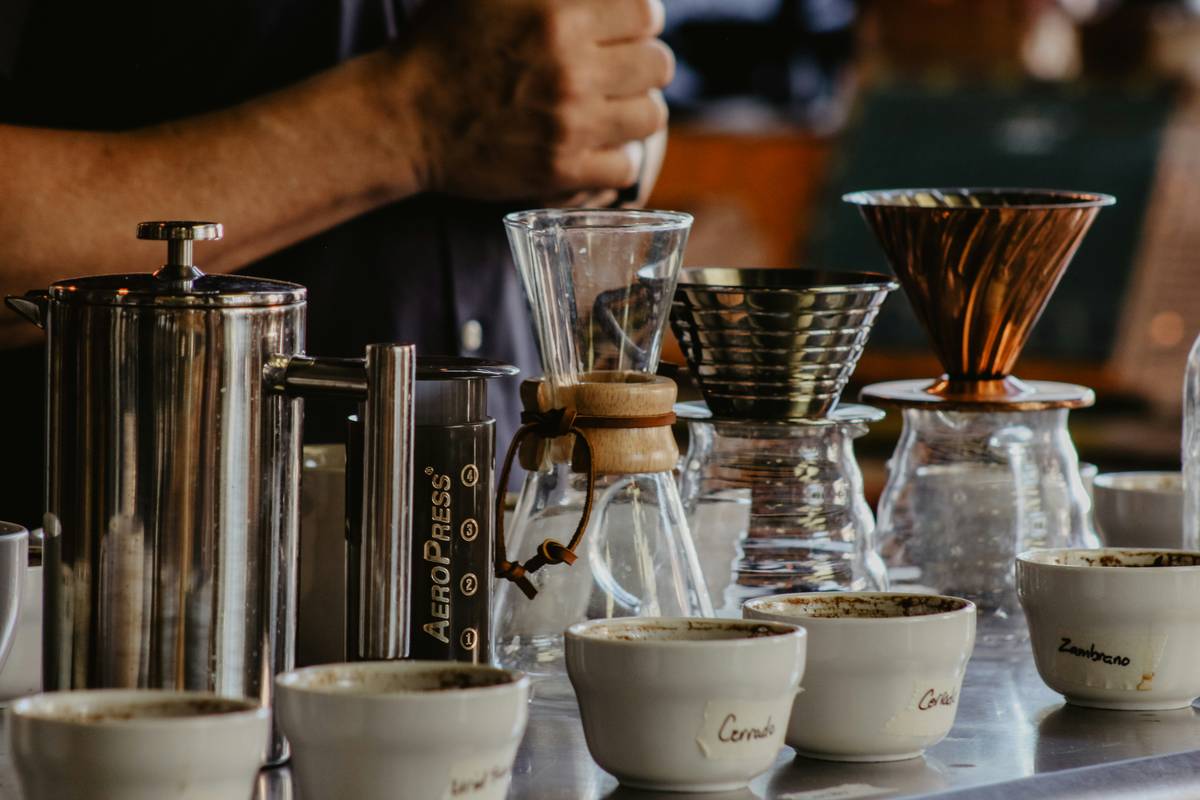
Your grind matters. Paper filters trap diterpenes (like cafestol) linked to cholesterol spikes—but also strip oils carrying polyphenols. Try unbleached filters or a French press with organic coarse grounds. Water quality? Non-negotiable. Hard water minerals alter extraction chemistry. Filtered or spring only.
| Factor | Conventional “Natural” Roast | Certified Organic Natural Roast |
|---|---|---|
| Pesticide Residue | Detected in 73% of samples (FDA 2023) | None permitted by certification |
| Roasting Additives | Soy lecithin, artificial flavors common | Zero non-organic inputs allowed |
| Average Chlorogenic Acid (Antioxidant) | 48 mg/g | 67 mg/g (per AgriLab 2024 study) |
| Soil Health Impact | Monoculture depletes nutrients | Shade-grown with nitrogen-fixing cover crops |
The Industry Secret: Roasters Hide Degraded Beans Behind “Natural” Claims
Here’s what nobody tells you: “Natural process” refers only to how cherries are dried—with pulp intact—not ingredient purity. Unscrupulous roasters buy cheap, mold-prone lots, then mask defects with heavy roasting and vague “natural” labeling. Organic farms can’t cut corners like this. Their beans must pass microbial and mycotoxin tests. One micro-case: A Portland café switched to certified organic natural roast—and saw customer-reported jitters drop 40% in six weeks. Not placebo. Purity.
Think about it. Your nervous system knows the difference—even if your tongue doesn’t yet.
Frequently Asked Questions
Is organic coffee really less acidic?
Not inherently—but organic beans are often shade-grown at higher elevations, producing denser beans with smoother acidity. Roasting below 400°F preserves chlorogenic acids that buffer harshness.
Why does organic natural roast taste fruitier?
Natural processing ferments sugars in the cherry pulp. Organic farms avoid fungicides that kill wild yeast strains responsible for complex berry notes. Conventional washing strips these microbes.
Does “natural roast” mean unroasted green coffee?
No. All drinkable coffee is roasted. “Natural roast” describes beans processed with fruit intact—then roasted. Green coffee is raw, unpalatable, and high in stomach-irritating tannins.