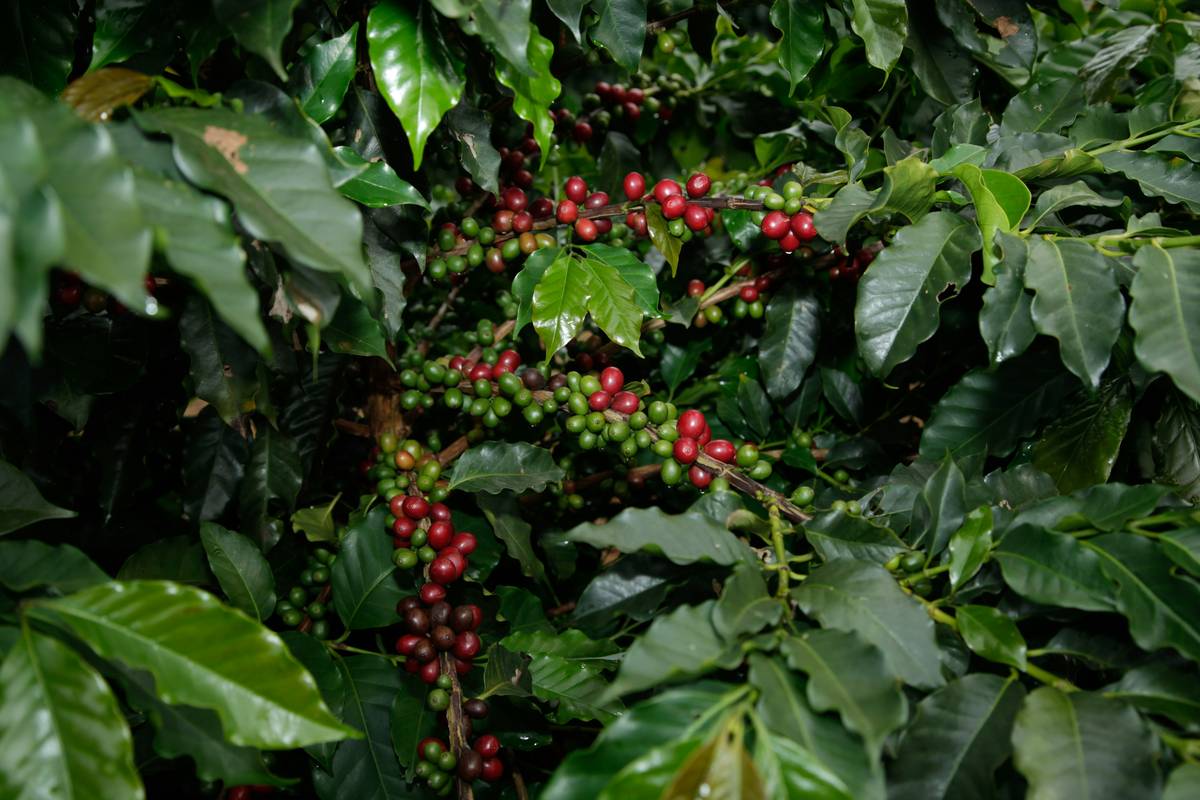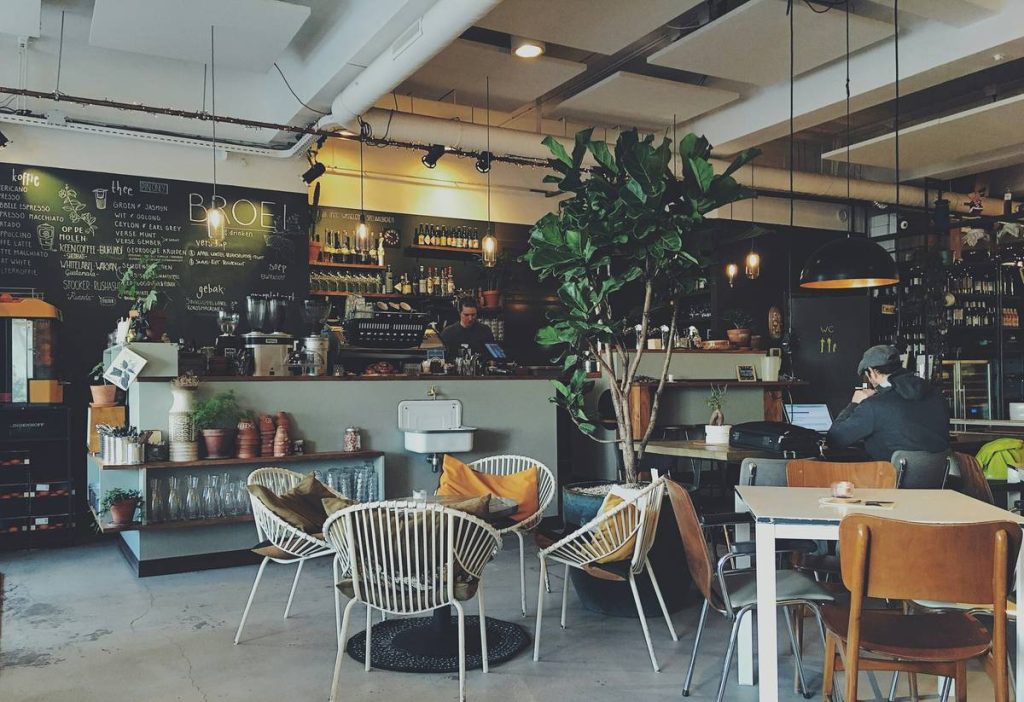
Most “organic” coffee brands in the UK are little more than greenwashed packaging—farmers underpaid, ecosystems ignored, certifications bought rather than earned. You want clean caffeine without the ethical hangover. The solution? A shortlist of truly sustainable organic coffee brands UK roasters who walk the talk—not just slap a logo on a bag.
Why Most Organic Coffee Brands UK Fall Short
Certification ≠ integrity. Many suppliers meet baseline EU organic standards but cut corners elsewhere—water waste, non-recyclable bags, or sourcing from monoculture farms that strip soil health. And let’s be honest: “organic” on a label doesn’t guarantee fair wages for harvesters.
The result? You pay premium prices for beans that feel virtuous—but leave real sustainability untouched.
How to Choose Truly Sustainable Organic Coffee Brands UK
True sustainability spans three pillars: environmental stewardship, ethical labor, and transparent sourcing. Here’s how leading UK organic coffee brands stack up.
Traceability Beyond the Barcode
Demand batch-specific origin details—not just “Colombia.” Top-tier brands list farm names, harvest dates, even elevation. That level of transparency weeds out resellers posing as direct-trade heroes.
Packaging That Doesn’t Poison the Planet
Compostable? Recyclable? Or just clever marketing? Real eco-packaging breaks down in home compost within 90 days—not industrial facilities most consumers can’t access.
Carbon-Neutral Roasting (Not Just Offsetting)
Offsetting is easy. Eliminating emissions? Harder. Look for roasters using renewable energy or closed-loop water systems. Bonus points if they publish annual impact reports.
| Brand | Soil-to-Cup Transparency | Eco-Packaging Type | Carbon Strategy |
|---|---|---|---|
| Grind | Farm-level traceability + harvest year | Home-compostable bag | 100% renewable-powered roastery |
| Alprose Organics | Co-op sourced, no farm IDs | Recyclable foil-lined bag | Tree-planting offsets only |
| Ozone Coffee Roasters | Direct relationships, full crop reports | Reusable tins + compostable refills | Solar-roasted since 2021 |
| Hatch & Sons | “Single origin” with vague region only | Non-recyclable plastic pouch | No public data |
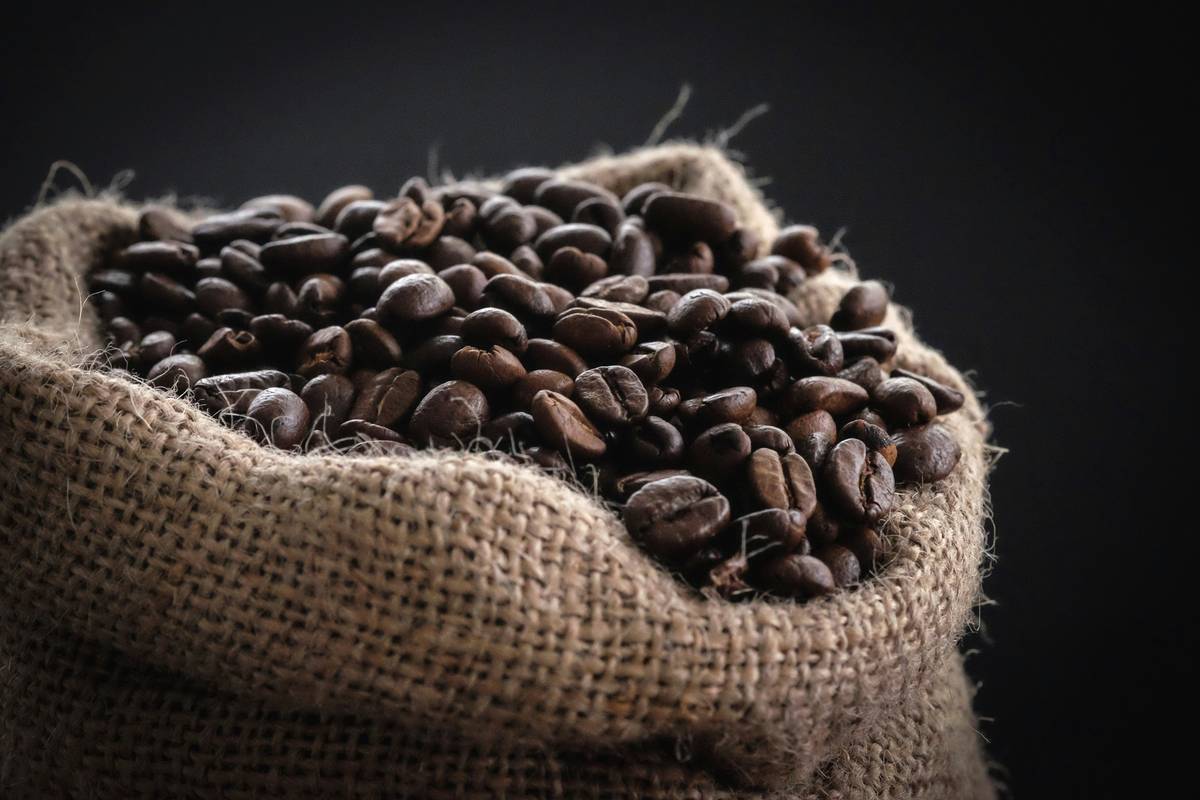
The Industry Secret: Regenerative > Organic
Here’s what insiders won’t tell you: “Organic” avoids synthetic inputs—but it doesn’t rebuild degraded land. The next frontier is regenerative agriculture, where coffee farms actively sequester carbon, restore biodiversity, and increase soil organic matter year over year.
A few UK pioneers—like those supplying agmilanocaffe.com—now partner exclusively with regenerative-certified cooperatives. These farms don’t just avoid harm; they heal. Yields stabilize. Water retention improves. And flavor? Deeper, cleaner, more complex. Think of it as organic upgraded—with receipts.
FAQ: Your Top Questions About Organic Coffee Brands UK
Are all organic coffee brands UK also Fairtrade?
No. Organic certification covers farming inputs only. Fairtrade addresses wages and working conditions. Some brands carry both—but never assume. Always check labels separately.
Can I compost organic coffee grounds with the bag?
Only if the bag is certified home-compostable (look for OK Compost HOME logo). Most “eco” bags require industrial facilities. When in doubt, compost grounds alone—they’re garden gold.
Why is UK organic coffee more expensive?
Real sustainability costs more—fair wages, slower processing, smaller batches. But compare cost per cup, not per bag. Quality beans stretch further, needing less per brew.