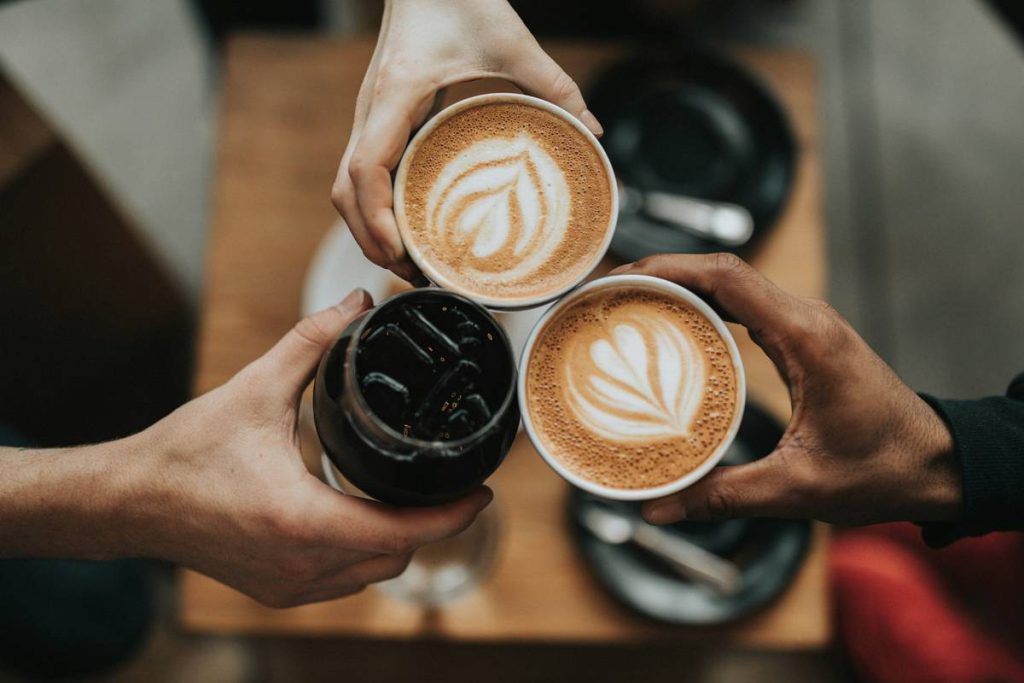
Most “organic” coffee tastes flat, stale, or worse—like it’s doing you a favor by existing. You grind the beans. You pour hot water. Yet something’s off. Why? Because organic doesn’t automatically mean flavorful—or even truly ethical. The solution isn’t just buying a bag with a green leaf logo. It’s mastering how to make organic coffee that honors both your palate and the planet.
Why Your Organic Coffee Still Tastes Like Regret
You’re using certified organic beans—that’s great. But certification alone won’t rescue bad roasting, stale storage, or incorrect extraction. And here’s an uncomfortable truth: many “ethical” brands cut corners post-harvest. They ship green beans across oceans in non-climate-controlled containers, degrading flavor before it ever hits your grinder.
Organic farming stops at the farm gate. What happens after—the drying, milling, shipping, roasting—is often ignored. That’s where most home brewers fail. You can’t outsource quality to a label.
How to Make Organic Coffee: A Step-by-Step Ritual (Not a Recipe)
Forget rigid ratios for a moment. This is about intentionality. Every step matters—not just because purists say so, but because organic beans are more delicate. Fewer pesticides mean thinner protective layers on the bean. Handle them like heirloom tomatoes, not commodity sacks.
Select Truly Traceable Organic Beans
Avoid generic “organic blend” labels. Seek single-origin beans with harvest dates and farm names. Bonus if they’re Fair Trade and shade-grown. These aren’t buzzwords—they affect acidity, body, and aroma directly. Pro tip: Central American high-altitude beans (think Guatemala Huehuetenango) offer bright, clean profiles ideal for pour-over.
Grind Like You Mean It—Right Before Brewing
Pre-ground “organic” coffee? Don’t bother. Oxidation murders volatile oils within minutes. Use a burr grinder—conical preferred—and dial it to medium-fine for pour-over, coarse for French press. And yes, your $20 blade grinder is part of the problem.
Brew with Precision Water
Your tap water might be killing your cup. Chlorine, excessive minerals, or low pH distorts flavor. Ideal brewing water: 150 ppm mineral content, neutral pH. Filtered tap is usually fine—but test it. If your water tastes dull, your coffee will too.
| Brewing Method | Grind Size | Water Temp (°F) | Brew Time | Ethical Impact |
|---|---|---|---|---|
| Pour-Over (V60) | Medium-fine | 195–205 | 2:30–3:30 | Low waste, full control over extraction |
| French Press | Coarse | 200 | 4:00 | Durable gear, but higher sediment = more bean waste |
| Cold Brew | Extra coarse | Cold (room temp steep) | 12–18 hrs | Energy-efficient, less acidic—but uses 20% more beans |
The Final Pour: Let It Bloom
After the first splash of water, wait 30 seconds. Watch the coffee puff up—that’s CO₂ escaping. Skipping this traps sourness inside. Patience here builds sweetness later.
The Industry Secret No One Talks About: Roast Date > Expiration Date
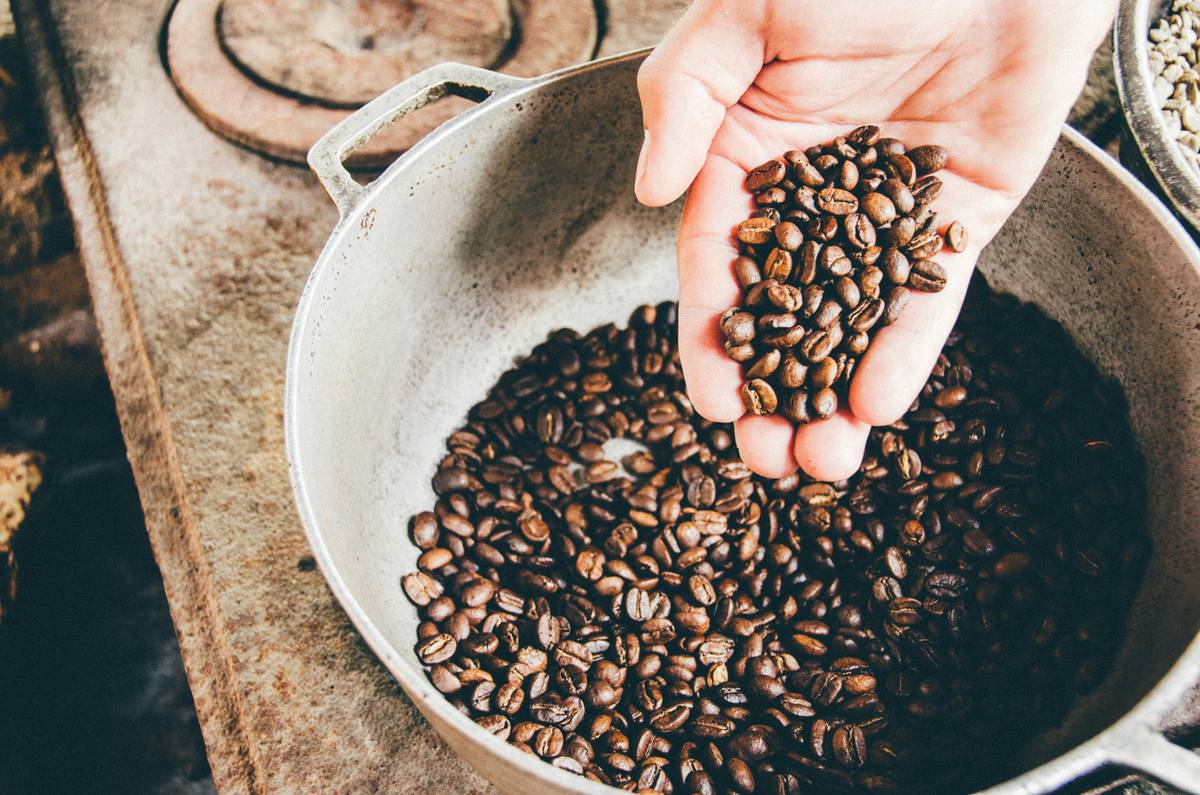
Here’s what gets buried: organic coffee peaks 7–14 days after roasting—not on day one. Most retailers sell bags roasted weeks ago. By the time you brew, it’s past its prime. Demand roast dates on packaging. Better yet, buy from micro-roasters who ship within 48 hours of roasting. AgMilanoCaffe? We roast-to-order. Not because it’s trendy—but because organic beans degrade faster without chemical stabilizers.
Think about it: conventional coffee masks staleness with dark roasts and additives. Organic can’t hide. So freshness isn’t optional—it’s the foundation.
FAQ: Real Questions, Straight Answers
Is organic coffee stronger than regular coffee?
No. Caffeine levels depend on bean varietal and roast level—not organic status. Light roasts (common in specialty organic) actually retain slightly more caffeine than dark roasts.
Can I use tap water to make organic coffee?
Only if your tap water tastes clean and neutral. Hard or chlorinated water mutes delicate floral and fruity notes. A basic carbon filter often suffices.
Does organic certification guarantee fair wages?
Not directly. USDA Organic covers farming inputs—not labor. Look for dual certification: Organic + Fair Trade or Direct Trade for true ethical assurance.