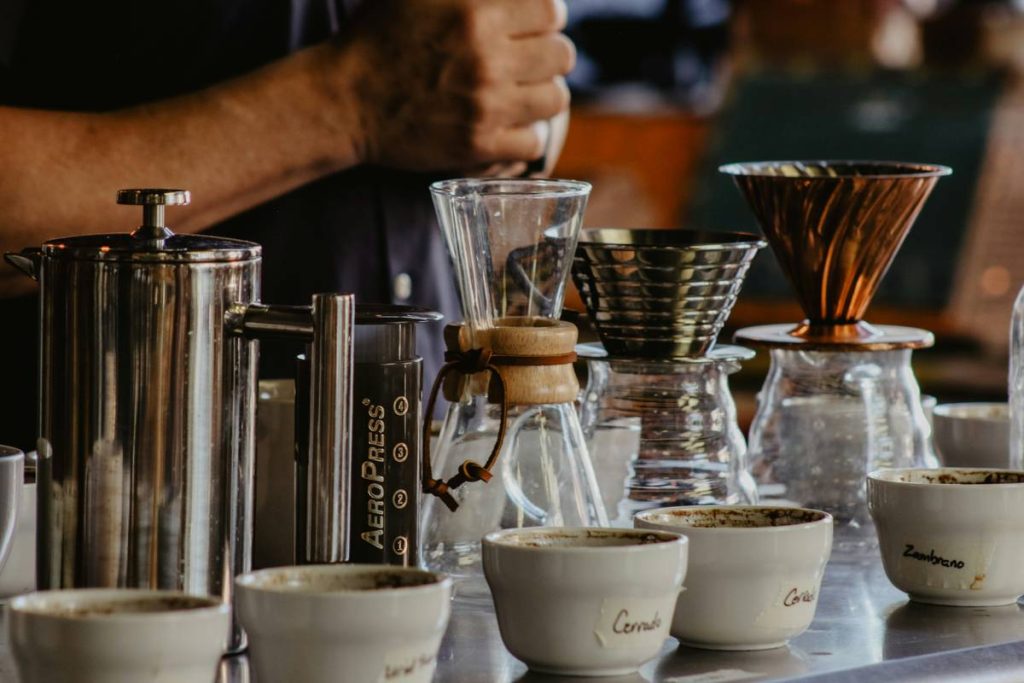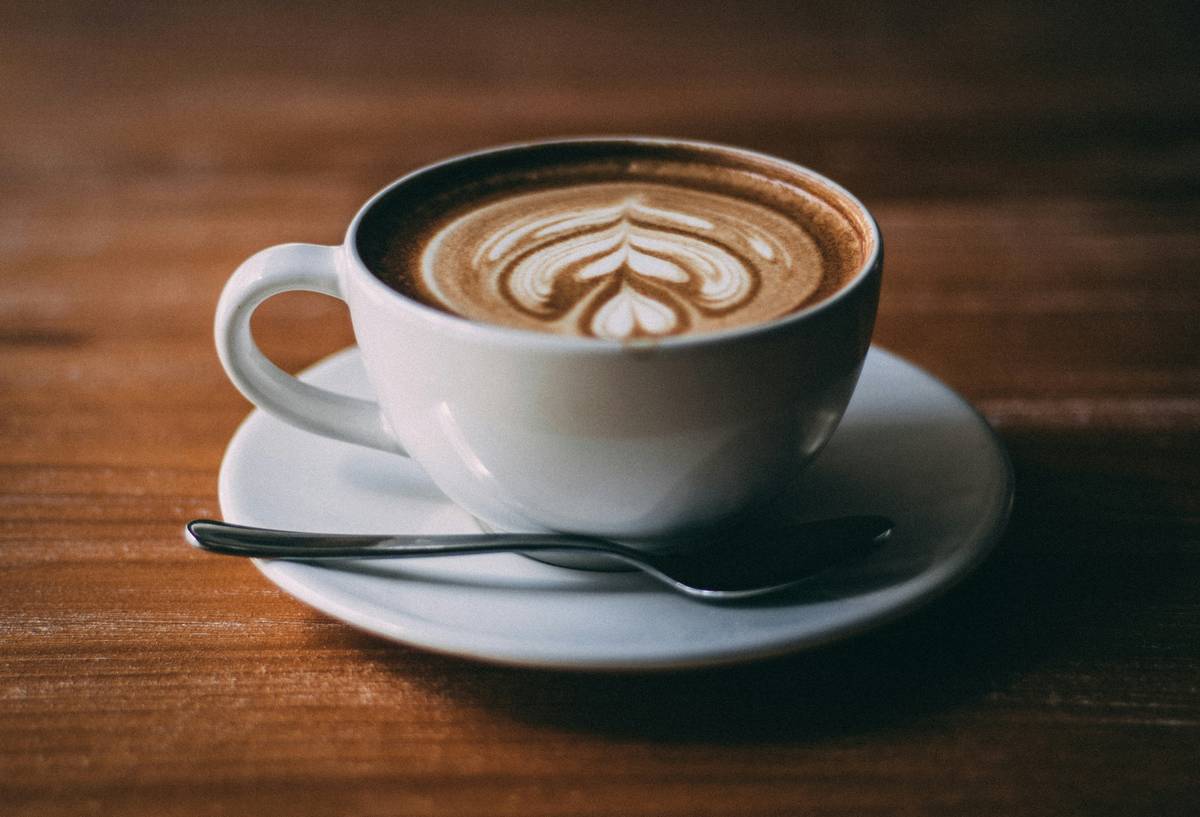
You love coffee—but your nerves, sleep, or digestion rebel against caffeine. You’ve tried swapping to decaf, only to taste cardboard or chemicals. And “organic” labels? Often just marketing smoke. The truth is, most organic decaffeinated coffee uk options are either poorly roasted, stripped of flavor during processing, or not truly chemical-free. Here’s a better way: naturally processed, small-batch decaf that tastes like real coffee—because it is.
The Bitter Truth About Most Decaf (Even the “Organic” Kind)
Decaffeination isn’t magic—it’s chemistry. And conventional methods rely on solvents like methylene chloride or ethyl acetate, even when the beans are certified organic. Shocking? Not really. EU regulations allow trace solvent residues in decaf, and many brands exploit that loophole. You’re drinking “organic” beans processed with industrial chemicals. And roasters often mask the flat, hollow taste with dark roasts—burning away what little character remains.
Worse, supply chains are murky. A bag labeled “organic decaffeinated coffee uk” might source beans from three continents, processed in a facility using outdated CO₂ methods that leach flavor oils along with caffeine. No wonder you’re disappointed.
How to Choose Real Organic Decaffeinated Coffee UK (Without Getting Played)
Real quality starts long before roasting. It hinges on two decisions: bean origin and decaf method. Skip anything vague like “mountain grown” or “premium blend.” Demand transparency.
Water Process > Everything Else
The Swiss Water® Process uses pure water, osmosis, and carbon filtration—zero chemicals. Caffeine is pulled out; flavor compounds stay locked in. It’s expensive, which is why budget brands avoid it. But it’s the only method that preserves the bean’s terroir. Look for the certification logo. If it’s missing, assume solvents were used.
Light-to-Medium Roasts Reveal Flavor—Not Hide It
Dark roasts on decaf beans scream desperation. Without caffeine’s natural bitterness, over-roasting creates ashy, one-dimensional sludge. A skilled roaster working with water-processed beans will use lighter profiles to highlight floral, fruity, or chocolatey notes native to the origin—Colombia, Peru, or Ethiopia.

Batch Size Matters More Than You Think
Mega-roasters decaffeinate tons at once, then store green decaf beans for months. Stale before roasting = stale in your cup. Small-batch roasters like ours decaffeinate in micro-lots, roast weekly, and ship fast. Freshness isn’t a bonus—it’s non-negotiable.
| Decaf Method | Chemicals Used? | Flavor Retention | Cost Premium vs. Regular |
|---|---|---|---|
| Swiss Water® Process | No | Excellent (85-90%) | +35-45% |
| CO₂ Process | No (but high pressure) | Good (70-75%) | +25-30% |
| Solvent-Based (EA/MC) | Yes (residues allowed) | Poor (50-60%) | +10-15% |
The Industry Secret: Why Most “Organic Decaf” Isn’t Worth Brewing
Here’s something roasters won’t tell you: decaffeinated green beans degrade faster than regular ones. The decaf process slightly damages cell structure, making them more porous—and prone to oxidation. So even if a brand uses water processing, if they’re sitting on inventory for six months? You’re drinking muted, papery coffee. That’s why we partner directly with a single Peruvian co-op, decaffeinate only after orders hit a threshold, and roast within 72 hours of processing. And yes—we test every batch for residual caffeine (<0.1%) and volatile compounds. Most don’t. The result? Our organic decaffeinated coffee uk actually has aroma, acidity, and body. Not just “not bad”—good enough to serve black.
Frequently Asked Questions
Is organic decaffeinated coffee UK completely caffeine-free?
No. By EU law, decaf must contain ≤0.1% caffeine. A typical cup has 2–5mg vs. 80–100mg in regular coffee—not zero, but negligible for most.
Does decaf coffee still have antioxidants?
Yes. The Swiss Water® Process retains over 80% of polyphenols and chlorogenic acids. Solvent methods strip more. Antioxidant loss depends heavily on the decaf technique—not the “decaf” label alone.
Why does my organic decaf taste sour or flat?
Two culprits: old beans or dark roasting. Properly stored, fresh water-processed decaf should taste balanced—not sharp or hollow. If it’s sour, it’s under-roasted; if flat, it’s stale or solvent-damaged.